
Technical SEO: Guide for Small to Medium Sized Businesses
By:
Published:
Updated:
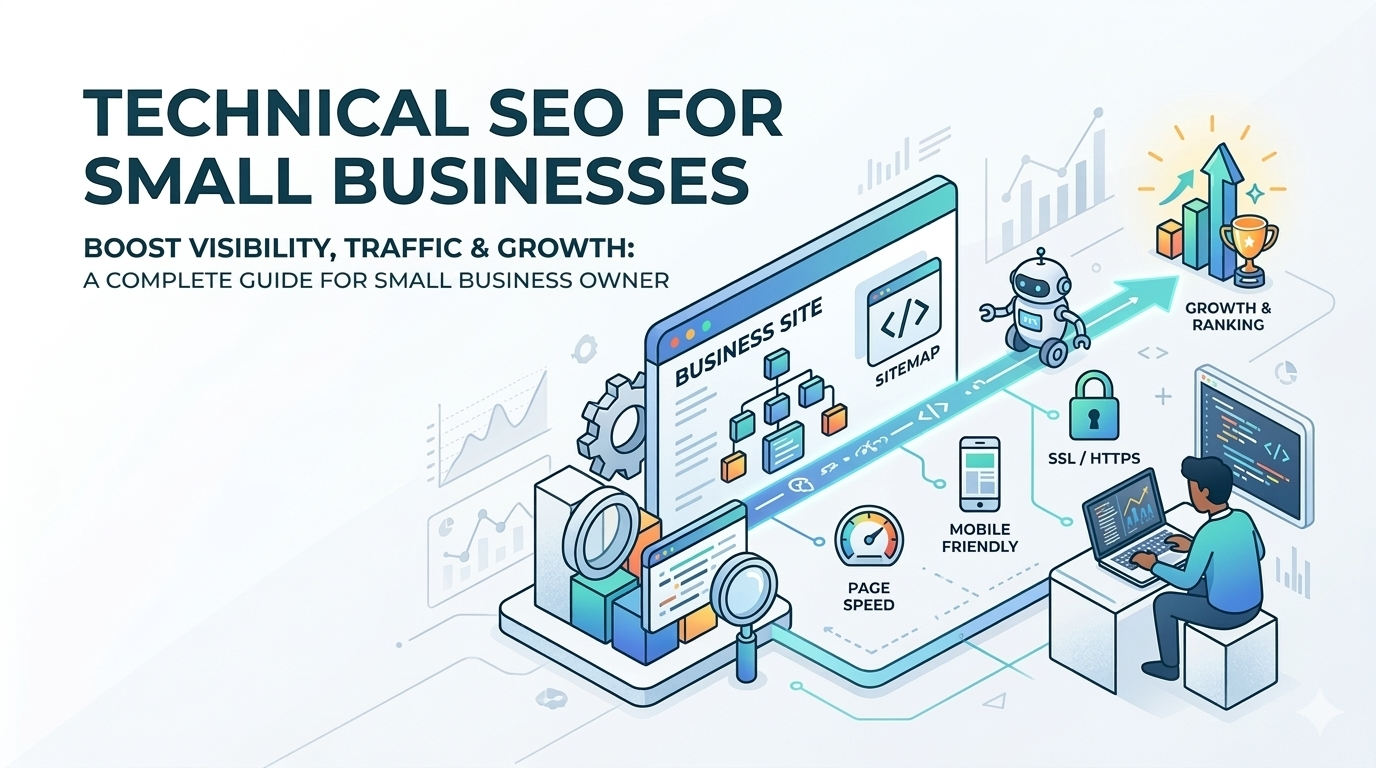
In today’s online world, maintaining a strong digital presence matters for businesses of every size. But just putting up content isn’t enough; you need to make your site easy for search engines to find. This is where technical SEO becomes important. It focuses on improving the technical parts of your website so that search engines can rank and display it better. This guide covers what technical SEO is all about why it matters, and how companies can use tools such as Screaming Frog, Ahrefs, and Google Search Console to boost their SEO game.
Defining Technical SEO
Technical SEO involves several strategies to optimize the backend of a website. Unlike on-page SEO, which deals with improving content and user interaction technical SEO focuses on making search engines crawl, index, and display your site .
Main Parts of Technical SEO
- Crawlability: Search engine bots need to access and move through your site. A organized website helps bots find all pages without problems.
- Indexation: After being crawled, pages get indexed to show in search results. Technical SEO works to make sure important pages are indexed and stops duplicate or unnecessary pages from taking up space in the index.
- Site Speed: How a page loads has a big effect on both user experience and search rankings. To speed up your site, reduce image sizes, use browser caching, and cut down on HTTP requests.
- Mobile-Friendliness: Mobile browsing is bigger now than ever so it is important to have a design that works well on phones and tablets. Google gives higher priority to websites that are easy to use on mobile devices.
- Security: Using HTTPS keeps user data safe and builds trust. Google prefers secure websites, which can help improve rankings.
- Structured Data: Adding schema markup for generative answers and Google Search allows search engines to better understand what your content is about. This could help your site appear with rich snippets. For businesses with several offices, using multi-location schema is essential to prevent data conflict between branches.
Why Technical SEO Matters
Technical SEO forms the base of any good SEO strategy. Without it even high-quality content might not get noticed. Here’s why technical SEO matters a lot:
Boosts User Experience
An optimized site makes things easier for visitors. Quick load speeds, mobile-friendly layouts, and simple navigation keep users happy. Happy visitors are more likely to stay longer and take actions like making a purchase.
Lifts Search Engine Rankings
Sites in great technical shape tend to get better treatment from search engines like Google. Fixing technical problems boosts the chances of ranking higher, which helps attract more organic traffic.
Helps Search Engines Crawl and Index Better
Technical SEO helps search engines crawl and index websites more . This ensures that every piece of useful content gets discovered and delivered to users looking for related information.
Lowers Bounce Rates
A organized or slow website often causes users to leave resulting in higher bounce rates. Improving technical elements helps businesses keep visitors on their site longer and makes them want to check out more pages.
Main Technical SEO Techniques
To apply technical SEO , businesses need to focus on some important methods:
1. Improve Site Structure
A well-organized website layout is important for search engines and users. Grouping content into main categories and subcategories makes it easier for users to browse and helps search engines interpret the structure of the site.
- Flat Structure: Make sure users can reach all pages of the site with just a few clicks starting from the homepage.
- Breadcrumb Navigation: Add breadcrumb trails so users and search engines can easily figure out where they are on the site.
2. Use XML Sitemaps
An XML sitemap works like a guide for search engines. It points them to the key pages on the site. You can improve how search engines index your site by submitting a sitemap in Google Search Console.
3. Use Robots.txt
The robots.txt file helps guide search engines by telling them which pages they should or shouldn’t crawl. Setting this file up stops unnecessary pages or duplicates from being indexed.
4. Fix Duplicate Content
Duplicate pages can make search engines unsure and lower their chances of ranking well. Adding canonical tags shows the chosen version of a page so that search engines pick the right content to index.
5. Watch Status Codes
Knowing status codes is important to keep a website in good shape. Some common ones include:
- 200 OK: This shows the request worked.
- 404 Not Found: This happens when a page cannot be found.
- 301 Moved: This means a page has been shifted to another URL.
- 302 Found: This means the page moved, but not .
Checking for problems often and fixing them helps websites perform better for both users and search engines.
Technical SEO Tools
Various tools help businesses improve their technical SEO strategies. Here are some of the most useful ones:
Screaming Frog
Screaming Frog works as a website crawler. It detects technical problems like broken links repeated content, or missing metadata. It offers key details to improve your site’s performance.
Ahrefs
Ahrefs serves as an all-in-one SEO platform. It includes features to audit websites, research keywords, and analyze backlinks. Its site audit tool pinpoints technical SEO problems that could hurt your site’s performance.
Google Search Console
Google Search Console helps track how your website appears in search results. It shows indexing details, search traffic stats, and highlights any visibility problems.
How Echo & Scale Lends a Hand
Echo & Scale knows that technical SEO plays a key role in making websites thrive online. We offer tools and knowledge to help businesses improve their site’s performance. Learn more about our SEO services and find out how Echo & Scale can help you.
Our Technical SEO Solutions
- Site Audits: We perform detailed website checks to find technical problems and share steps to fix them.
- Implementation Help: Our experts aid in applying technical SEO updates to make sure your site works well with search engines.
- Regular Tracking: We keep an eye on your site’s performance and adjust things when needed to keep everything running .
Contact us to learn more about how we can use these tools to optimize your technical SEO and improve your overall visibility in search.
Conclusion
Technical SEO plays a key role in a successful SEO plan. Small and medium-sized businesses can boost their online presence and get more organic traffic by learning its basics and applying good practices. At Echo & Scale, we help businesses enhance their technical SEO with our tools and skills. To learn more about what we offer, check out our marketing services or read about our process to learn how Echo & Scale helps you reach success.
Focusing on technical SEO helps businesses create a strong base to establish their online presence and stay competitive as the digital world keeps changing. If this is something difficult or you don’t have the time, consider hiring an SEO Agency instead of DIY to save you time and gain a competitive advantage. Our guide to affordable SEO agencies walks through what to look for, realistic pricing, and how to avoid the agencies that do more harm than good.
FAQs About Technical SEO
Book Your Free Call Today
Schedule your Free 20-minute call and get a marketing plan specifically tailored to you.